hello.. i'm
abhimanyu...
THE HUMANIST, VISIONARY
AND THINKER
WWW.PEPTLE.COM
WWW.EARTHWATCHCORPS.ORG
watch my intro
Bio
Abhimanyu — The Saint of Systems, The Architect of Tomorrow
He was born with nothing—except the fire to change everything.
In a world often driven by noise, power, and pursuit, there quietly walks a man with nothing but compassion in his heart and a map of humanity’s future in his hands. His name is Abhimanyu—a name not etched in medals or monuments, but carried in the hearts of those whose lives he’s transformed. He does not seek recognition; he seeks regeneration. Not for himself, but for all of us.
He was not born into luxury, power, or legacy. He was born into hardship-in a fragile hut in a remote village of Kerala, India, where poverty, uncertainty, and darkness were daily companions. Yet in that darkness, a new light stirred: the awakening of a child whose eyes didn’t just see the world—they questioned it.
Works
Neuro-Spiritual Alignment for the Inner Development and Conscious expannsion
In a world clouded by anxiety, disconnection, and an ever-growing hunger for meaning, the Neuro-Spiritual Alignment emerges as a luminous path forward—not just a technique, but a complete framework for inner evolution. Conceived by visionary thinker Abhimanyu, this biopsychosocial model is a pioneering synthesis of neuroscience, ancient wisdom, and consciousness studies. It is both deeply modern and timeless in its essence—a system designed to realign the human being with their most natural state: clarity, compassion, and coherence.
At its core, the Neuro-Spiritual Alignment is structured to reawaken the mirror neurons—the brain’s foundation for empathy, reflection, and emotional resonance. But Abhimanyu extends this concept into what he calls mirror consciousness—the enlightened awareness that sits behind our learned identities and patterned responses. According to him, what we commonly perceive as “self” is not a static truth, but a dynamic reflection shaped by neurobiological wiring, personal experiences, social programming, and internal scripts. Pranayogaa aims to peel back these layers to reveal the unconditioned awareness that lies beneath.
Fulfillment
A Legacy in Motion, A Future in the Making
Overview
Abhimanyu’s journey is a testament to purposeful action grounded in visionary thought. For over two decades, he has quietly shaped transformative frameworks, global initiatives, and resilient communities, all guided by a single, unwavering belief: that true change begins within and radiates outward—through systems, through societies, and through the human soul. His legacy is not carved in monuments, but written in the lives he has touched, the paradigms he has reimagined, and the regenerative blueprints he continues to craft for humanity’s shared future. What follows is not a list of endings, but a living chronicle of beginnings—evidence that when ideas are anchored in compassion and action, they don’t just inspire change—they become it.
Purpose
Purpose — A Life in Service of Wholeness
Abhimanyu’s life isn’t shaped by ambition, fame, or personal gain—it’s anchored in a quiet but unwavering commitment to one deeply human goal: restoring wholeness in a fragmented world.
In an age where society feels increasingly divided—by inequality, by fear, by the speed of life itself—Abhimanyu walks a different path. A path defined not by reaction, but by reflection. Not by power, but by presence. His purpose is to help us remember what we’ve forgotten: that true progress is measured not by what we build, but by what we heal.
From his earliest days, he was less interested in asking, “What should I become?” and more focused on, “What should the world become?” That question shaped his philosophy, his systems, and every initiative he would eventually design. His work spans governance, education, psychology, technology, ecology—and yet it’s all bound by one common thread: the desire to bring people, communities, and systems back into alignment.
Bio
Abhimanyu — The Saint of Systems, The Architect of Tomorrow
He was born with nothing—except the fire to change everything.In a world often driven by noise, power, and pursuit, there quietly walks a man with nothing but compassion in his heart and a map of humanity’s future in his hands. His name is Abhimanyu—a name not etched in medals or monuments, but carried in the hearts of those whose lives he’s transformed. He does not seek recognition; he seeks regeneration. Not for himself, but for all of us
He was not born into luxury, power, or legacy. He was born into hardship-in a fragile hut in a remote village of Kerala, India, where poverty, uncertainty, and darkness were daily companions. Yet in that darkness, a new light stirred: the awakening of a child whose eyes didn’t just see the world—they questioned it.
Where the Story Begins
Abhimanyu’s childhood was shaped by adversity. His family couldn’t afford basic necessities, let alone luxuries. Electricity was a distant dream. On most nights, his home was swallowed by the quiet ache of hunger and shadow. But Abhimanyu, even then, defied his fate.
He carried his books outside and studied beneath the pale yellow glow of a streetlight—while the rest of the village slept. He wasn’t memorizing formulas. He was seeking meaning. He studied people, systems, power, inequality—and the unseen threads that tied them all together. Where others saw despair, he saw design problems. Where others turned away, he leaned in.
He wasn’t just a curious child. He carried a deep emotional intelligence. He cared for every living thing. He wept for animals. He mourned strangers. He avoided stepping on ants. Even then, his soul was too wide for one lifetime. He noticed everything the world ignored—especially suffering. His empathy wasn’t taught—it was innate. It wasn’t soft—it was transformative.
A Moment That Changed Everything
In 2004, a moment seared itself into his soul. He noticed a little girl—around five—standing alone on a street corner, barefoot abused and frightened. Abhimanyu watched how she was passed over by priests, politicians, and pedestrians alike. He saw her pain. And he couldn’t look away.
He planned to help. But when he returned the next day, she was gone.
No one searched. No one noticed. She had vanished—like she never existed.
Abhimanyu searched, asked, waited. All he found was silence. That silence screamed louder than any cry. It crushed him. He spiralled into guilt and hopelessness. In one moment of unbearable grief, he attempted to end his life—not as surrender, but as protest.
But fate intervened. He survived. And from that survival came a quiet revolution.
"That night didn’t end my life. It began my mission."
He vowed: “If the world has forgotten how to respond, I will become the response.”
The Rising Flame
By 2005, Abhimanyu began rebuilding—not with bricks or banners, but with ideas. He founded the Institute of Peace Research and Analysis, a place that, on the surface, resembled a conventional research center. But for those who stepped inside, it revealed itself as something far deeper: a sanctuary of thought, a movement of minds, a living temple of inquiry.
It welcomed not just scholars, but seekers. Not just scientists, but spiritual explorers. Here, truth wasn’t something to memorize—it was something to live.
With his quiet presence and luminous questions, Abhimanyu became known among those circles as “The Monk with a Map” —a gentle visionary who never claimed to have all the answers, but always carried a compass of deeper direction. Others began calling him Antaryogi—the one who walked inward to chart paths outward. Not a preacher. Not a politician. Not a rebel. But a cartographer of consciousnes, drawing bold, soul-rooted directions for humanity’s next journey.
A Life of Learning Without Walls
Abhimanyu left college not because he was lost, but in search of something deeper. He didn’t reject learning—he redefined it. He wasn’t interested in degrees. He was interested in truth. He saw that real knowledge didn’t reside in textbooks or classrooms. It lived in stories, in silence, in the struggles of people.
He journeyed through villages, cities, slums, refugee shelters, temples, forests, monasteries—listening to scholars, monks, tribal elders, farmers, displaced youth, and people with no names.
His knowledge didn’t come from lectures. It came from listening. From sitting silently beside the broken and realizing that systems had failed not because they were wrong—but because they were empty of soul.
He asked, observed, wept, mapped, and slowly, he started building not just ideas—but frameworks.
He later earned professional qualifications in psychology, systems thinking, and organizational design—but he never displayed them. They weren’t achievements. They were tools to serve better. His real lessons came from human experience, and he carried those insights into everything he built. For him, knowledge is not an achievement. It’s a responsibility.
"Truth was my teacher. Humanity, my syllabus."
The Birth of Movements
In 2008, he planted the first seeds of what would become his lifelong mission. He founded Earth Watch Corps—a movement built on empathy, not ideology. It connected young people, scientists, survivors, change makers, thinkers, doers, and social dreamers to one central idea: the Earth and its people cannot be saved separately.
Its mission was clear: to protect people and planet through conscious, regenerative action. It wasn’t activism for headlines. It was groundwork for civilizational healing. It was about roots.
It was a living framework—a bridge between social healing and environmental stewardship. It trained young people in resilience, sustainability, leadership—and purpose. It laid the foundation for a regenerative future where climate justice and social justice are one and the same.
Project NorthStar & The Regenerative Earth Model
In 2012, Abhimanyu launched Project NorthStar (Stella Nuam)—an audacious plan to build regenerative, community-led societies rooted in ethics, education, ecology, and innovation. Initially dismissed as idealistic, the project grew into a tangible blueprint for planetary rebirth.
By 2018, it matured into a real-world model, which integrates climate action, economic resilience, governance innovation, and emotional well-being under one unified strategy.
These aren’t experiments.
They are prototypes of a post-crisis civilization.
Through the Joint Mission Council (JMC), Abhimanyu is now working with partners worldwide to implement these models—bridging grassroots wisdom with global innovation.
Healing the Invisible: A Lifesaving Theory
Abhimanyu's heart remained tuned to those society forgets. He touches lives. As he worked across communities, he encountered thousands suffering in silence—depressed youth, suicidal individuals, grieving families. His own near-death experience gave him a rare empathy. He responded not with advice—but with presence.
Drawing from psychology, trauma science, philosophy, systems thinking and his own methodologies, he developed a deep psycho-social framework that has since helped over 40,000 people. It empowers people to rediscover their story—and with it, their will to live.
“I don’t fix people,” he says. “I help them remember who they are.”
Building the Operating System for Trust
Abhimanyu’s journey wasn't only spiritual—it was deeply structural. He understood that good intentions must become systems if they are to outlive moments. So he began building what the world had never seen: an integrity-driven, globally adaptable system to evaluate the maturity, trustworthiness, and regenerative capacity of people, organizations, and governments.
His goal wasn’t just to evaluate—it was to elevate. It wasn’t another rating system. It was a human-centered compass—designed to reward dignity, not dominance.
This led to the creation of:
- An ecosystem for regenrative economic exchange
- A platform to power sustainable innovation and inclusive entrepreneurship
- A verification system for ethics and maturity across sectors
His approach was radical. He believed that value wasn’t in profit—but in purpose. That progress shouldn’t destroy the Earth—but heal it. That success should be measured not in money—but in trust.
Each initiatives was a building block in a larger vision: a global trust economy that integrates conscience with capability.
From Ideas to Ecosystems
To translate his vision into action, Abhimanyu launched Peptle—an initiative where innovation meets sustainability, where integrity becomes measurable, and where ethical entrepreneurship is rewarded. Through Peptle and its allied systems (Earth Watch Corps, IMG, etc.), he is building the digital and philosophical backbone of a new global trust economy.
These initiatives are not businesses in the traditional sense. They are public service infrastructures—crafted with precision, humility, and soul.
The Holistic Society: Civilization, Reimagined
Abhimanyu’s vision goes far beyond sustainability. He is building a Holistic Society—a new model of civilization where:
- Education teaches consciousness, not just content
- Business grows from values
- Technology aligns with ethics
- Governance begins with empathy
- And Earth is not exploited-but revered as family
This is not a dream. It is an answer to the collapse of modern systems. A new civilization—built not for profit, but for planetary healing.
“We’re not here to compete. We’re here to connect. Not to extract—but to restore.”
The Man Who Walks Without Applause
Despite the magnitude of his work, Abhimanyu avoids the spotlight. He declines awards. He walks away from fame.
“I don’t want my name in stones. I want my systems in the soil.”
To some, he’s a social philosopher. To others, a social reformer and healer. To many, a silent saint. To himself, he’s simply: a servant of humanity.
Legacy in Motion
Abhimanyu’s legacy is not a monument. It is a story in motion:
- A child who learns instead of begs
- A village that regenerates
- A survivor who finds purpose
- The frameworks that inspire and rewards truth
- The communities that now believe in themselves
His life is a living system—still growing, still guiding.
The Story Is Just Beginning
His journey is not finished. It is unfolding—in platforms, in people, in quiet acts of rebuilding.
And through it all, he leaves us a reminder:
“This world can be reimagined. And we all have a role in its redesign.”
Abhimanyu. The boy who read beneath streetlights. The man who mapped a future no one else dared to draw. The saint of systems. The architect of tomorrow.
Works
A New Frontier in Inner Development and Neuro-Spiritual Alignment
In a world clouded by anxiety, disconnection, and an ever-growing hunger for meaning, Neuro-Spiritual Alignment emerges as a luminous path forward—not just a technique, but a complete framework for inner evolution. Conceived by visionary thinker Abhimanyu, this biopsychosocial model is a pioneering synthesis of neuroscience, ancient wisdom, and consciousness studies. It is both deeply modern and timeless in its essence—a system designed to realign the human being with their most natural state: clarity, compassion, and coherence.
At its core, the practice is structured to reawaken the mirror neurons—the brain’s foundation for empathy, reflection, and emotional resonance. But Abhimanyu extends this concept into what he calls mirror consciousness—the enlightened awareness that sits behind our learned identities and patterned responses. According to him, what we commonly perceive as “self” is not a static truth, but a dynamic reflection shaped by neurobiological wiring, personal experiences, social programming, and internal scripts. Neuro-Spiritual Alignment aims to peel back these layers to reveal the unconditioned awareness that lies beneath.
The system integrates four powerful pillars:
- Spinal-nervous synchronization (SNS) - This foundational method recalibrates the central nervous axis by combining somatic awareness, micro-movement therapy, and spinal breath control. It restores fluidity along the spine-brain interface—what Abhimanyu refers to as the “empathy axis”—releasing stored trauma and activating the body's bioelectrical coherence.
- Cognitive-emotive circuit repatterning (CECR) - This phase involves guided narrative processing, mirror neuron entrainment, and micro-habit retraining. It facilitates the repair of distorted mental-emotional feedback loops by gently rewiring the brain’s associative patterns around memory, meaning, and identity. The process helps bridge subconscious beliefs with conscious intention.
- Awakened State Immersion (ASI) - This immersive meditative protocol combines rhythmic sensory modulation, vibrational anchoring (chant or breath-toning), and visualization to access deeper awareness states. Rather than escape the self, it deepens connection to what Abhimanyu calls “mirror consciousness”—the inner, non-verbal intelligence beneath thought.
- Rhythmic Breath Activation (RBA) - A dynamic series of breath rhythms tailored to each emotional or cognitive challenge. This component clears neurochemical stagnation, stabilizes heart-brain coherence, and primes the parasympathetic system for restoration. The breath becomes both the diagnostic and the medicine—reviving balance from within.
Together, these practices rewire not only our stress responses but also activate what Abhimanyu calls the “empathy engine”—a dormant inner faculty that enables us to reconnect with life, love, and the collective field of human experience.
But the Neuro-Spiritual Alignment is not merely a personal tool—it’s a relational catalyst. It is designed to heal beyond the self: to harmonize families, transform communities, and rebuild broken social fields. Practiced consistently, it becomes a philosophy of living—where trauma gives way to transformation, and confusion gives way to conscious living.
In this way, the Neuro-Spiritual Alignment offers more than healing—it offers a blueprint for the kind of humanity the future demands: integrated, emotionally intelligent, and spiritually awake. It is not an escape from life’s pain, but a return to the purpose hidden within it—an inward revolution, with outward consequences.
Philosophy — A Living Code of Connection, Compassion, and Regenerative Intelligence
Abhimanyu’s philosophy is not confined to theory, scripture, or classrooms. It is a way of being—a living compass that shapes every system he designs, every life he touches, and every paradigm he dares to question. Born from personal adversity, sculpted through deep empathy, and sustained by visionary clarity, his philosophy is a living call to reimagine what it truly means to be whole—within ourselves, our societies, and the Earth we share.
At the heart of this philosophy lies one unshakable truth: everything is connected. Just as a tree’s vitality depends on the soil beneath it, human well-being cannot be separated from the health of our societies, systems, and surroundings. This insight has led Abhimanyu to articulate what he calls regenerative intelligence—a consciousness that dissolves false boundaries between the inner and outer world, the personal and political, the emotional and structural, the ecological and economic.
In contrast to reformist approaches that try to “fix” broken parts in isolation, Abhimanyu’s work begins by asking: Where did we become disconnected? He believes that fragmentation—between people and planet, self and society, knowledge and wisdom—is the root wound of our time. His philosophy is not about resistance. It is about reconnection.
Through this lens, education is not just about achievement—it must nurture awareness. Governance is not about control—it must begin with listening. Economics cannot be reduced to numbers—it must be built on empathy. And justice is not a demand—it is the natural result of restoring wholeness.
This regenerative philosophy flows through all of his contributions: trauma-informed learning, soul-centered leadership, ecosystemic policy models, ethical enterprise, and holistic social design. Every project becomes a healing ritual. Every blueprint becomes an act of service.
To embody this philosophy is to recognize that the future is not a distant ideal—it is a dormant wisdom already alive within us. It calls not for urgency, but for intimacy. Not for domination, but for deep remembrance.
Ultimately, Abhimanyu sees life itself as a sacred design challenge: how can we build systems that help us feel again, see again, and belong again?
His answer is both radical and simple: by healing the disconnection between our inner truth and the outer world, we do not just transform society—we become the systems that heal it.
The Regenerative Earth Model — A Blueprint to Rebuild Civilization with Compassion
At a time when our planetary systems—ecological, economic, emotional—are reaching collapse, The Regenerative Earth Model (REM), envisioned by Abhimanyu, offers not a fix, but a re-foundation. It is a systems-based blueprint for rebuilding civilization itself, rooted in the understanding that humanity must evolve from extraction to regeneration, from domination to interdependence, and from fragmented survival to collective wholeness.
Developed over years of field observation, transdisciplinary research, and grassroots engagement, REM integrates diverse dimensions of life into a unified, compassionate framework. It draws from climate science, spiritual ecology, indigenous knowledge systems, post-crisis civilization, and systems engineering to propose a new architecture for living—one that doesn't simply sustain life, but restores and elevates it
At its core, the model reimagines how we relate to:
- Land — not as a commodity, but as a living partner in co-creation
- Economy — as a circular, community-driven flow of care and value
- Governance — as participatory stewardship anchored in wisdom, not control
- Education — as soul-rooted learning that prepares people to nurture the world
- Technology — as a servant to human dignity and ecological balance
REM is not a single program or project. It is a living operating system—a flexible and adaptive model that can be implemented in villages, cities, enterprises, and public policies alike. It has already inspired real-world applications like Project NorthStar, Joint Mission Councils, regenerative hubs, and circular economy accelerators across geographies.
Perhaps most profoundly, the Regenerative Earth Model doesn't treat the climate crisis, inequality, or emotional alienation as separate challenges. It addresses them as symptoms of disconnection—between self and Earth, economy and ethics, society and soul. Its purpose is to reconnect the broken links, not through fear or guilt, but through design, compassion, and shared stewardship.
More than a theory, it is a call to redesign the future—from the soil under our feet to the stories we live by. It offers not just resilience, but re-enchantment. Not just systems change, but a civilizational reawakening grounded in care.
This is Abhimanyu’s offering to the planet: a framework that says healing is possible—not only in our minds, but in our cultures, our institutions, and the very ecosystems we belong to.
Psycho-Social Framework — Healing the Inner World to Rebuild the Outer One
The most profound crises of our era are not always visible in our economies or cities—they live quietly in fractured identities, suppressed pain, and the silent breakdown of meaning. In response to this hidden epidemic, Abhimanyu has developed the Psycho-Social Framework—a comprehensive model rooted in modern psychology, neuroscience, and systems thinking, designed to restore coherence in human lives and social structures.
Developed over two decades of immersive, ground-level engagement—ranging from trauma recovery and suicide prevention to emotional resilience building and psychosocial systems research—this framework redefines suffering not as a personal flaw, but as a functional signal. It interprets emotional distress as the mind and body’s way of alerting us to a fundamental misalignment or unmet need. Whether it’s a loss of meaning, a rupture in belonging, a breakdown in perceived safety, the absence of life purpose, environmental disconnection, or neurochemical imbalance—this model views unrest as a message, not a malfunction.
Abhimanyu proposes a radical shift in how we understand mental distress. Instead of asking, “What’s wrong with you?”, the framework gently asks, “What within or around you has fallen out of alignment?” Whether it is a child growing up in a dysfunctional family, a frontline worker emotionally exhausted, or a youth navigating trauma, the Psycho-Social Framework recognizes emotional pain as a neurobiological and existential misalignment between the individual and their environment.
Drawing from neuroscience, it explains how unresolved trauma and chronic stress disrupt neural pathways—particularly those governing empathy, regulation, and self-perception. Simultaneously, from psychology, it emphasizes the importance of narrative—the stories we tell ourselves, and how those stories shape our identity and behavior. From systems thinking, it acknowledges that healing cannot happen in isolation; we must address the relational, familial, and cultural fields in which a person exists.
What makes this approach unique is its multi-layered methodology, which includes:
- Root Cause Mapping: Identifying whether distress stems from intrapersonal (inner conflicts), interpersonal (relational trauma), systemic (cultural/socioeconomic injustice), or biochemical/environmental triggers.
- Narrative Realignment: Helping individuals re-author their life story—moving from trauma-centered identity to purpose-driven continuity.
- Neuro-Somatic Integration: Techniques to regulate the nervous system and reconnect emotional response with embodied safety through breathwork, mirror neuron activation, and cognitive realignment.
- Relational Repair: Rebuilding emotional trust networks through empathy-based communication models and reweaving connection with community, nature, and self.
- Inner Consciousness Scaffolding: Offering existential tools to navigate grief, trauma, awakening, or crises
This framework has already supported over 40,000 individuals, from displaced youth to trauma survivors, caregivers, and those on the brink of despair. But its power lies not just in intervention—it fosters resilience, self-remembrance, and relational intelligence.
The Psycho-Social Framework does not treat people as problems to be solved. It sees them as stories longing to be heard, nervous systems yearning to reset, and consciousness seeking reconnection. It does not pathologize—it humanizes. And it reminds us that healing begins not with erasing pain, but with reclaiming the meaning behind it.
This isn’t just emotional first aid. It is regenerative mental health—a return to coherence, purpose, and belonging. Abhimanyu’s vision challenges the world to move beyond symptom management and toward a future where healing is a systems design—where self, society, and consciousness can finally become one whole again.
Social Awakening Initiatives — Uniting Hearts, Minds, and Movements
Abhimanyu’s contribution to the world of social reform is not defined by noise or protest, but by a profound renaissance of consciousness—a return to the belief that people, when aligned with purpose and compassion, can become systems of change themselves. His initiatives are not standalone projects. They are interconnected movements designed to awaken, empower, and weave together the soul of society.
From rural communities to international policy platforms, Abhimanyu has cultivated living ecosystems of civil participation, rooted in empathy and structured for long-term impact. Through platforms like the Earth Watch Corps, the Green Governance Initiative, and the Global Policy Innovation Lab, he has built tools that don’t just raise awareness—they restructure society from the ground up.
These are not conventional civil society initiatives. They are infrastructures of conscience. They train not only hands, but hearts. They address not only symptoms, but the systems behind suffering. And most importantly, they return agency to the people.
Earth Watch Corps, founded in 2008, remains one of his most influential contributions—mobilizing youth, scientists, educators, leaders, artists, farmers, and first responders under a shared mission of planetary service and social renewal. From post-disaster humanitarian relief and ecological restoration, to women's empowerment and anti-trafficking interventions, Earth Watch Corps has become a compassion-driven, decentralized force, operating through regional Civil Trust Hubs across continents.
Every initiative flows from one root principle: healing the world requires everyone. It redefines activism not as confrontation, but as co-creation.
Whether organizing peace reconciliation gatherings in conflict-prone zones, curating systems-thinking circles for youth in urban slums, or consulting governments on participatory constitutional reform, Abhimanyu’s presence remains the same: quiet, clear, and catalytic.
His movements speak a different language. One that resonates with the invisible majority —those who have been unheard, unseen, and underestimated. They do not run on celebrity endorsements or campaigns of outrage. Instead, they are powered by dignity, healing, and purpose.
What unites all these threads is a simple belief: Social transformation is not a transaction—it is a reawakening. It begins not with taking power from the top, but by igniting possibility from below, between, and within.
In a world fatigued by polarity and collapse, Abhimanyu’s social awakening efforts don’t fight the old—they illuminate the new. These initiatives remind us that peace is not a product of control—it is the natural result of shared consciousness, co-creation, and compassion-in-motion.
Global Policy & Development Ecosystem — Reimagining Governance Beyond Borders
In a world exhausted by outdated governance systems, institutional distrust, and economic models that serve a few while leaving many behind, Abhimanyu’s Global Policy & Development Ecosystem offers a new kind of architecture—one that replaces power with purpose, and control with care. Built upon his belief that systems must be designed for the dignity of all life, this ecosystem reimagines global governance as a living, participatory process—decentralized, compassionate, and aligned with regeneration.
This isn’t diplomacy confined to boardrooms or treaties filed away in bureaucracies. It is living architecture for collective futures—a set of transnational platforms, funds, councils, and laboratories designed to bring together civil society, indigenous wisdom holders, scientists, public leaders, economists, and grassroots change makers. Each initiative within the ecosystem is a tool to build a more just, equitable, and soul-conscious civilization.
The ecosystem encourages policy as service, leadership as stewardship, and development as an act of empathy. It challenges the global order to rethink not just how we grow—but why we grow, and for whom. It asks hard questions with humility: Can development serve well-being without destroying the Earth? Can progress include the voices of the most silent? Can international cooperation be rooted in shared spirit, not just shared strategy?
What Abhimanyu has seeded is not just a policy platform. It is a vision of governance that grows from the ground up, across borders, and through hearts. This is how the future is built—not by control, but by co-creation.
Peptle & Pepkart — Cultivating Ethical Economies for Sustainable Futures
In an era where commerce often races toward profit at the cost of people and planet, Abhimanyu envisioned entrepreneurship as a sacred act—grounded in fairness, cooperation, and lasting well‑being. This vision is embodied in Peptle, a purpose‑driven ecosystem that regenerates economies from within by weaving decentralized circular economy principles into every transaction.
Peptle began as a social enterprise dedicated to empowering, rather than extracting from, communities. In collaboration with partners such as Earth Watch Corps, MPMAC, and the Global Standards Fund, it provides a digital backbone for local entrepreneurs, artisans, and social innovators to:
- Build sustainable livelihoods through compliance support, skill development, and storytelling platforms
- Connect to global markets without sacrificing cultural authenticity or community values
- Adopt circular practices where resources cycle locally and wealth stays within the region
From co‑ops of handicraft weavers to mission‑driven service providers, Peptle’s real innovation lies in uniting technology, circular design, and social impact in one integrated structure. Every feature—transaction engines, participatory dashboards, and impact metrics—is crafted to honor human dignity and ecological intelligence.
Complementing Peptle is Pepkart, an online‑to‑offline (O2O) marketplace that bridges digital convenience with neighborhood trust. Through Pepkart:
- Small shops launch digital storefronts while preserving face‑to‑face relationships
- Consumers support local producers, ensuring purchases fuel their own communities
- Micro‑entrepreneurs scale responsibly, balancing growth with authenticity
Together, Peptle and Pepkart form the economic circulatory system of Abhimanyu’s regenerative vision. Inspired by his unique emphasis on ecological and social integrity, they transcend traditional commerce by embedding ethical compliance, community ownership, and regenerative storytelling into every transaction.
These are not ventures chasing quick exits; they are living infrastructures built to evolve with and uplift the communities they serve. Through Peptle & Pepkart, Abhimanyu extends a global invitation to entrepreneurs: Don’t just scale your business—scale your compassion. With each purchase, every partnership, we co‑create a trust economy where commerce becomes an act of healing and regeneration.
Education Initiatives — Learning as Soulcraft for a Regenerative World
Abhimanyu sees education not as a race to credentials, but as a path to shared awakening. In an era when schooling often serves markets more than minds, he invites us to reimagine learning as a journey of self‑discovery, empathy, and social renewal—where knowledge becomes a force for healing, purpose, and shared responsibility.
At the heart of his educational vision lies a simple credo: “To teach is to heal; to learn is to become more whole.” Guided by this principle, Abhimanyu has launched an interconnected constellation of programs that transcend traditional degrees and diplomas, offering immersive, inclusive and transformative learning for every stage of life.
Earth Watch Academy is one such initiative—a leadership and learning hub that trains youth to become guardians of the planet. Offering programs on climate justice, ecological systems, indigenous wisdom, and global ethics, it empowers the next generation to act not just as professionals, but as eco-social stewards.
Peptle Learning complements this mission by delivering hybrid professional education that bridges academia with real-world need. It offers certificate, diploma, and degree programs in partnership with local and international universities. Built on a smart LMS platform, it supports skill-building across disciplines such as sustainability, digital innovation, community development, and entrepreneurship—equipping learners for the challenges and callings of the 21st century.
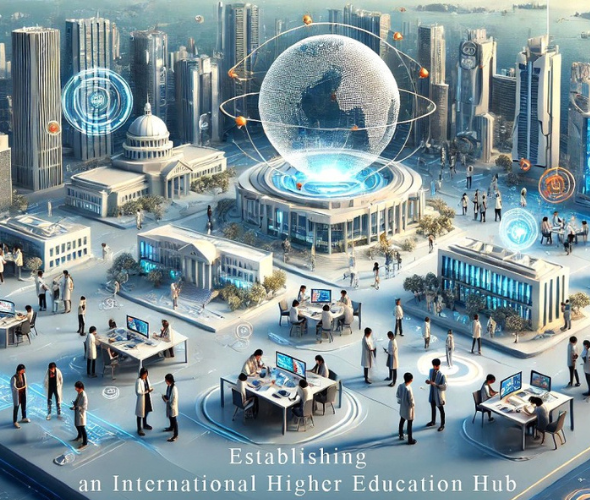
His long-term vision is the Global Autonomous Research University—a groundbreaking institution that unites science, medicine, technology, international policy, and art, under one roof. Designed as part of a knowledge city within the Regenerative Earth Model, this university will not only host research excellence but also nurture moral imagination and civic consciousness.
To ensure that learning remains lifelong, Abhimanyu also developed the Continuing Education Systems—a flexible, inclusive, and digitally accessible network that includes:
- Skill and value-based camps for school students
- Certification and testing centers for academic and professional growth
- Mentorship networks for educators and researchers
- Knowledge Exchange Platforms for semi-retirees and elder wisdom keepers
These initiatives do more than re‑skill—they realign learners with their deeper purpose, closing the gap between what people do and who they are becoming.
In his ecosystem, classrooms become sanctuaries, knowledge becomes responsibility, and every lesson is an act of regeneration. His programs form a quiet revolution—a call to reclaim education not as a race to the top, but as a return to meaning, to wisdom, and to one another.
The Sustainable & International Cultural Village — A Living Civilization Prototype
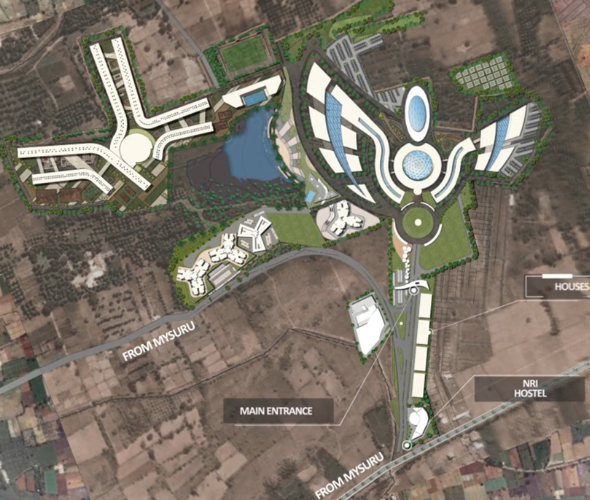
Not all visions are meant to stay confined to blueprints, manifestos, or models. Some must be lived—rooted in the land, shaped by hands, and carried forward in community. The Sustainable & International Cultural Village is one such vision—Abhimanyu’s most daring and holistic experiment in civilizational renewal. It is not merely a settlement—it is a living civilization prototype, where his regenerative philosophy takes physical, emotional, and ecological form.
This initiative is not an isolated concept but a global constellation of knowledge cities designed to rise on reclaimed or neglected lands—places once forgotten, now destined to become sanctuaries of wisdom, healing, and innovation. These villages are not a retreat from modernity but a bold step into a new human paradigm—where culture and ecology, economy and ethics, science and spirituality flow together as one system.
Each village will function as an autonomous living organism, thoughtfully integrating:
- Ecological rewilding and restoration to revive degraded ecosystems into biodiverse sanctuaries
- Consensus-based governance and direct democracy, empowering citizens to lead with wisdom and shared responsibility
- Soulful education campuses, fusing scientific insight with ancestral knowledge, indigenous philosophy, and moral imagination
- Circular economies and cooperative enterprises, using local currencies and regenerative business models to ensure wealth is shared and sustained
- Intercultural and interfaith sanctuaries, spaces for dialogue, creativity, spiritual learning, and global understanding across generations and traditions
But these villages are not built only for their residents. They are intended as demonstration models for humanity—living blueprints where global thinkers, students, policymakers, artists, and seekers can gather, reflect, learn, and co-create. Each one will host international leadership residencies, ecological design schools, policy innovation labs, spiritual retreats, and artistic fellowships—bringing together voices from every corner of the world.
What sets this initiative apart is its scale of ambition and depth of values. It is not a smart city ruled by surveillance or capital. It is not a resort of sustainability buzzwords. It is a spiritual and systemic reset—a life-affirming habitat for the future of civilization.
The Sustainable & International Cultural Village is Abhimanyu’s highest offering: a place where his life's work—his frameworks, philosophies, institutions, and ideals—come alive in soil, structure, and soul. It is where theory becomes territory, and where the children of tomorrow can be raised not in fear or disconnection, but in reverence—for the Earth, for community, and for the sacred possibility of a healed world.
This is not a project. It is a promise—to reimagine how we live, love, govern, learn, and grow together on this planet. A place not just to survive, but to truly belong.

Purpose
A Life in Service of Wholeness
Abhimanyu’s life isn’t shaped by ambition, fame, or personal gain—it’s anchored in a quiet but unwavering commitment to one deeply human goal: restoring wholeness in a fragmented world.
In an age where society feels increasingly divided—by inequality, by fear, by the speed of life itself—Abhimanyu walks a different path. A path defined not by reaction, but by reflection. Not by power, but by presence. His purpose is to help us remember what we’ve forgotten: that true progress is measured not by what we build, but by what we heal.
From his earliest days, he was less interested in asking, “What should I become?” and more focused on, “What should the world become?” That question shaped his philosophy, his systems, and every initiative he would eventually design. His work spans governance, education, psychology, technology, ecology—and yet it’s all bound by one common thread: the desire to bring people, communities, and systems back into alignment.
For Abhimanyu, disconnection is the root of many of our problems. Disconnection from nature. From one another. From our inner truth. He sees emotional distress, environmental collapse, and failing institutions not as isolated issues, but as symptoms of deeper misalignment. His purpose is to respond—not with control, but with coherence. Not with solutions imposed from above, but with structures rooted in compassion.
He embraces difference, diversity, and even disorder—not as obstacles, but as the raw materials of a better future. In his worldview, chaos is not the opposite of order—it’s the beginning of something new. Something wiser. Something whole.
Whether he’s designing regenerative villages, soul-centric education models, ethical entrepreneurship ecosystems, or frameworks for emotional healing, Abhimanyu’s work is always part of one greater intention: to restore humanity’s sense of belonging. To remind us that we don’t need to become something new—we need to remember who we truly are.
He does not speak in slogans. He doesn’t chase influence. He invites reflection.
This is Abhimanyu’s purpose: To bring systems and souls back into harmony. To create a world where everyone has a place—and every being, a voice.
A Servant of Humanity · A Quiet Force for Coherence · A Visionary Guiding the World Home to Wholeness
education
M.Phil, Postgraduate (PG), and Bachelor's Degree (BD) in Psychology
2016
Completed M.Phil, Postgraduate, and Bachelor's programs in Psychology.
Computer Teachers Training Course (CTTC) & Programming Languages
2004 - 2005
Completed training in Computer Operations and Programming Languages.
experience
Leadership Rooted in Purpose
Chairman & Chief Justice Steward
Earth Watch Corps | Kochi, India | Present
Abhimanyu has served as the Chairman and Chief Justice Steward (CJS) of Earth Watch Corps since its founding. Under his leadership, EWC has evolved into a global humanitarian and civil society movement committed to peace, justice, ecological stewardship, and human dignity. His role combines executive governance with ethical oversight—guiding policy, international collaboration, and strategic mission development across regions.
education
M.Phil, Postgraduate (PG), and Bachelor's Degree (BD) in Psychology
2016
Completed M.Phil, Postgraduate, and Bachelor's programs in Psychology.
Computer Teachers Training Course (CTTC) & Programming Languages
2004 - 2005
Completed training in Computer Operations and Programming Languages.
experience
Leadership Rooted in Purpose
Chairman & CJS
Earth Watch Corps | Kochi, India | Present
Abhimanyu has served as the Chairman and CJS of Earth Watch Corps since its founding. Under his leadership, EWC has evolved into a global humanitarian and civil society movement committed to peace, justice, ecological stewardship, and human dignity. He oversees operations spanning emergency response, climate resilience, women's empowerment, and human rights defense. His role combines executive governance with ethical oversight—guiding policy, international collaboration, and strategic mission development across regions. EWC continues to serve as a living example of participatory activism rooted in sustainability, science, and systemic care.
Chairman & Chief Executive Officer
Peptle | Bengaluru, India | 2021 – Present
As the founding Chairman and CEO of Peptle, Abhimanyu leads one of the world’s most forward-thinking ethical technology ecosystems. Peptle blends purpose with innovation—building tools and platforms that empower decentralized economies, social enterprises, and regenerative communities. Through platforms like Pepkart and Peptle Learning, the company reflects Abhimanyu’s vision of business as a sacred force for societal healing and collective advancement.
Director
Astermount Ltd. | Bristol, United Kingdom | 2021 – 2023
Abhimanyu served as Director at Astermount, a UK-based enterprise specializing in export-import facilitation, marketing innovation, and business consulting across the UK and Europe. During his tenure, he played a pivotal role in driving technology integration, shaping product strategies, and embedding ethical business practices—contributing to the company’s expansion throughout England and Ireland.
Additional Roles & Contributions
Ongoing Research Contributor — Consciousness & Systemic Design
Actively contributing to research in systems thinking, digital ethics, mirror consciousness, trauma-responsive innovation, and emergent planetary healing frameworks.
Honorary Chair — Council for Holistic Systems (CHS)
Leading CHS in advancing integrative thinking across ecology, economy, education, and governance, shaping dialogue and policy rooted in interconnected well-being.
Principal Advisor — Educational Futures & Conscious Learning
Serving as lead architect and advisor to global learning innovations, including the Global Autonomous Research University, and regenerative models of education.
Senior Fellow — Institute for Conscious Civilizations
A founding voice in the field of post-crisis civilization design, contributing frameworks for spiritual governance, emotional ecosystems, and civilizational repair.
Mentor & Guide to Emerging Change Leaders
Guiding next-generation visionaries across sectors with a focus on inner clarity, ethical leadership, and system-aware transformation.
Regenerative Wisdom Traditions
Respected as a contemporary wisdom teacher integrating neuro-spiritual alignment, regenerative philosophy, and ancient consciousness practices in global spiritual and psycho-social circles.
projects
01Project Northstar
Northstar is not just a project; it is a master design for the future of civilization. Conceived by Abhimanyu as the living embodiment of his regenerative philosophy, Project Northstar offers a bold and holistic vision in response to our deeply fractured world. It brings together his decades of work in systems design, social architecture, policy innovation, education reform, and ethical entrepreneurship into one unifying framework for collective upliftment.
01Project NorthStar — A Compass for Collective Regeneration
Northstar is not just a project; it is a master design for the future of civilization. Conceived by Abhimanyu as the living embodiment of his regenerative philosophy, Project Northstar offers a bold and holistic vision in response to our deeply fractured world. It brings together his decades of work in systems design, social architecture, policy innovation, education reform, and ethical entrepreneurship into one unifying framework for collective upliftment.
Born from the belief that "we are not meant to merely survive the future, but to shape it consciously", Northstar is a multi-dimensional initiative. It empowers individuals, communities, and institutions to reclaim dignity, rebuild trust, and reimagine development.Here, ideas evolve into systems, hope manifests as architecture, and chaos is reinterpreted as the fertile ground of coherence.
A Mission Rooted in soulful ResponsibilityAt its heart, Project Northstar is a humanitarian blueprint designed to guide humanity back to balance—between people and planet, between spirit and science, between culture and commerce. It is an ecosystem of renewal woven from the threads of sustainability, emotional intelligence, global policy innovation, and decentralized civic governance.
Abhimanyu describes it as a “civilization resilience platform”—one that doesn’t merely respond to crises but anticipates them with foresight, rooted in the timeless values of care, inclusion, regeneration, and shared purpose.
Northstar is guided by three foundational goals:
Rebuilding Social Fabric: Designing emotionally intelligent systems that respond to the needs of the vulnerable, the displaced, and the forgotten.
Reimagining Development: Replacing extractive models with regenerative, circular economies grounded in ethics and local empowerment
Reclaiming Meaning: Making education soulful, governance participatory, and technology deeply human-centric.
Project Northstar is powered not by institutions, but by people—from youth leaders and farmers to technologists and spiritual thinkers. It is grounded in the principle that healing is the beginning of real development.
A Living, Breathing FrameworkRather than a singular initiative, Northstar is a constellation of interconnected programs, platforms, and living field models.
Joint Mission Councils (JMC): Functioning as decentralized “people’s parliaments” — often referred to as Earth Parliaments — the Joint Mission Councils serve as appellate governance bodies composed of community leaders, scientists, policymakers, spiritual elders, educators, and institutional heads. These councils collaboratively shape local charters focused on justice, sustainability, and inclusion, amplifying wisdom that goes beyond bureaucracy.
Earth Watch Corps expansion: Reimagined under the Northstar banner, the Earth Watch Corps (EWC) has grown into a global humanitarian and civil service movement. Anchored in compassion and care-based action, EWC now operates through Civil Trust Hubs across continents, engaging thousands of trained youth volunteers in areas such as climate resilience, emergency response, social justice, and trauma recovery.
Peptle Ecosystem: Building ethical economies through platforms like Peptle and Peptrait, ensuring that commerce serves community.
Education for Regeneration: Project Northstar incorporate educational reform by launching hybrid institution such as Earth Watch Academy, Peptle Learning, and School of extended learning to cultivate a new generation of conscious leaders.
Regenerative Earth Model (REM): As the philosophical and structural backbone of Project Northstar, the REM offers pathways to rebuild civilization in harmony with ecology, consciousness, and culture. Pilots are already underway:
Cultural Villages & Living LabsOne of the most visionary and transformative expressions of Project Northstar is the creation of Sustainable & International Cultural Villages—regenerative, self-sustaining habitats rising from the heart of once-neglected or degraded lands. These living environments are designed not just for survival, but for soulful flourishing. Each village harmoniously integrates permaculture farms, food forests, eco-learning sanctuaries, sustainable industries, community kitchens, policy innovation labs, and open digital commons—creating vibrant ecosystems where life, knowledge, and economy regenerate together. More than settlements, these villages are living blueprints for tomorrow’s society—serving as sanctuaries for healing, collaboration, intercultural dialogue, and global co-learning.
A Global Call to Co-CreateNorthstar is not a closed project—it is an invitation. It belongs to no one, yet serves everyone. Abhimanyu often describes it as “a sacred commons for the future of humanity.”
It invites people from every corner of the world—individuals, governments, civil society organizations, grassroots movements, educators, scientists, artists, farmers, entrepreneurs, indigenous leaders, and young changemakers—to help co-create the kind of world we all imagine, yet so rarely see realized.
Whether you're a refugee teacher in Lebanon, a technology architect in Berlin, a spiritual elder in Peru, or a policymaker in Bhutan—Project NorthStar welcomes your voice, your wisdom, and your hands in building a future we can all belong to.
Through open collaboration with global institutions, grassroots movements, and transnational development networks, Northstar functions as a bridge—between the wisdom of the past and the design challenges of tomorrow.
A Signal in the StormIn an age of division, disillusionment, and ecological breakdown, Project Northstar stands as a quiet but steady signal—a reminder that another world is not only possible, but already being seeded.
As Abhimanyu says: “We are not lost. We are just between stories. Northstar is a compass—not to the past, but to the next story we’re meant to live.”
This is more than a plan. It is a shared pilgrimage toward a new world. Not a destination, but a direction—a path back to belonging.
Project Northstar is not a destination. It is a direction—a way to walk back home, together.
02THE KNOWLEDGE CITY
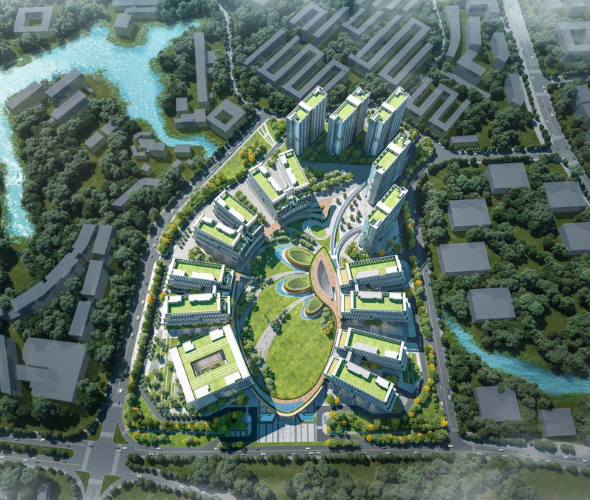
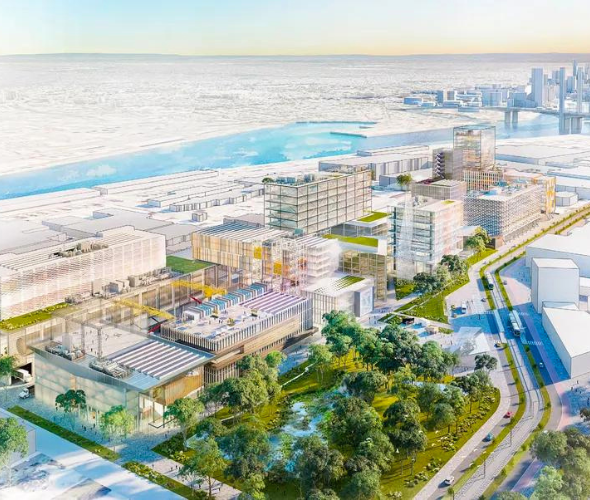
The Knowledge City is not just a blueprint for future urban design—it is Abhimanyu's boldest vision yet: a living, breathing campus for civilization itself. Set to break ground by 2030, this concept project represents the culmination of decades of research, regenerative philosophy, and global systems thinking. It is designed as a self-sustaining, soul-centered habitat where education, innovation, ecology, and culture converge to create a new kind of human dwelling—rooted in reverence and built for resilience.
02The Regenerative Knowledge City — A Living Campus for Humanity's Next Chapter
The Regenerative Knowledge City is not just a blueprint for future urban design—it is Abhimanyu's boldest vision yet: a living, breathing campus for civilization itself. Set to break ground by 2030, this concept project represents the culmination of decades of research, regenerative philosophy, and global systems thinking. It is designed as a self-sustaining, soul-centered habitat where education, innovation, ecology, and culture converge to create a new kind of human dwelling—rooted in reverence and built for resilience.
A City Born from PurposeThis Knowledge City is not being built for profit or prestige. It is being imagined as a sanctuary for systemic renewal. Designed to host over 12,000 residents, the city will become a model of how humanity can live, learn, govern, and grow in harmony with nature and each other. Every element—from infrastructure to institutions—will serve a singular purpose: to regenerate life.
Core Components of the Regenerative Knowledge City1. Eco-Habitats & Resilience Neighborhoods: Energy-efficient living clusters designed with biophilic architecture, community gardens, rainwater harvesting, and zero-waste technologies. Homes will integrate seamlessly with natural elements, enabling a deep reconnection between people and the Earth.
2. The Global Autonomous Research University: This Global Autonomous Research University stands as a flagship sanctuary of education—where scientific rigor converges with indigenous wisdom, spiritual inquiry, and public policy. It will host cutting-edge research centers, transdisciplinary labs, programs in technology, medicine, and engineering, alongside policy studios and fellowship hubs empowering global changemakers.
3. Innovation District & Skills Nexus A cluster of future-forward laboratories and studios focusing on AI for good, digital ethics, bio-innovation, clean-tech, agro-engineering, and community-based resilience technologies. Skill development centers will train youth and artisans alike to lead a purpose-aligned future.
4. Circular Industry & Cooperative Enterprise Zone Sustainable industrial corridors rooted in circular economy principles—enabling local-to-global value creation without ecological extraction. These hubs will support regenerative supply chains, ethical marketplaces, green manufacturing, and social entrepreneurship.
5. Food Forests & Living Agriculture Corridors More than just farmland—these are nutritional sanctuaries. The city will feature permaculture belts, herbal forests, organic farms, vertical gardens, aquaponics systems, and indigenous crop revival zones that ensure food sovereignty and ecological restoration.
6. Rewilding Corridors & Eco Sanctuaries Lush biodiversity zones where native flora and fauna can thrive alongside human habitats. These green arteries will serve as climate stabilizers, carbon sinks, and meditative walkways for residents.
7. International Healing & Wellness Institute A multidisciplinary health and wellness campus offering integrative medicine, trauma healing, regenerative therapy, yoga-science labs, and community mental health programs. The space will bridge ancient practices with modern advancements.
8. Cultural Harmony Forum & Civic Centre An evocative tapestry of public amphitheaters, cultural monuments, storytelling domes, sanctuaries of ancient wisdom and spiritual reflection, and collaborative artistic spaces—each designed to nurture dialogue, shared rituals, and the living memory of humanity across borders, traditions, and faiths.
9. Youth Arena & Global Sports Forum An inclusive arena for sports diplomacy, conscious athletics, and youth development through teamwork, leadership, and global collaboration.
10. Transparent Governance Council & Digital Commons An open-source governance platform and digital civic commons to ensure participatory budgeting, decentralized policy-making, and citizen-led townhalls.
Not Just a City—A Civilizational PrototypeThis is not an experimental utopia. It is a master demonstration model for governments, cities, educators, architects, policy-makers, and entrepreneurs around the world who dare to reimagine how humanity can flourish together. Every zone of the city is a template—replicable, scalable, and adaptable to diverse geographies.
Abhimanyu envisions this city as a place where refugees and researchers, elders and engineers, farmers and futurists can live not just side by side, but soul to soul.
Join the Journey: A Global Call to Co-CreateThe Regenerative Knowledge City is now in its fundraising and foundational phase, with a roadmap toward partial implementation beginning 2030.
This city belongs not to one person or nation, but to a shared dream of a dignified, beautiful, and whole future for all.
The time is now. The future is ours—to shape, to heal, to empower.
03Global Fellowship for Regenerative Co-Creation
The Global Fellowship for Regenerative Co-Creation is one of Abhimanyu's most dynamic and soul-rooted initiatives—a global bridge between wisdom and innovation, youth and elders, policy and purpose. Designed as a transnational fellowship platform, it unites young changemakers with scientists, community elders, policymakers, educators, and system architects to collaboratively build healing models for a fractured world.
03Global Fellowship for Regenerative Co-Creation
Where Visionaries Meet Elders, and Ideas Become EcosystemsThe Global Fellowship for Regenerative Co-Creation is one of Abhimanyu's most dynamic and soul-rooted initiatives—a global bridge between wisdom and innovation, youth and elders, policy and purpose. Designed as a transnational fellowship platform, it unites young changemakers with scientists, community elders, policymakers, educators, and system architects to collaboratively build healing models for a fractured world.
At its core, this fellowship is not just about leadership—it is about legacy. It transforms knowledge into practice and passion into prototypes. Participants don't simply discuss ideas; they live them, build them, and co-create systems that can transform communities and institutions from the ground up.
A Living Laboratory for Regenerative SolutionsThe fellowship functions as an incubator for grassroots innovation, where fellows are immersed in interdisciplinary learning modules that span:
1) Green Governance & Ethical Leadership: Through the Green Governance Initiative, fellows explore how decentralized, transparent, and inclusive governance systems can restore public trust and ecological balance.
2) Digital Democracy & Civic Engagement: Leveraging the Digital Civic Engagement Platform, fellows work with digital tools that foster participatory governance, real-time public feedback systems, and trust-building between institutions and citizens.
3) Standardization for Trust & Transparency: Through Standardization framework, fellows gain exposure to certification frameworks and ethical compliance models, ensuring their prototypes are not only inspiring but also institutionally integratable.
4) Rural Outreach & Regenerative Development: The Rural Ambassadors Program trains fellows to work directly with rural communities, building place-based, culturally resonant solutions for agriculture, healthcare, education, and local governance.
Intergenerational Collaboration as a Design PrincipleWhat makes this fellowship revolutionary is its intentional design of intergenerational learning. Elders contribute ancestral wisdom, cultural memory, and spiritual grounding. Youth bring technological fluency, creative disruption, and emotional urgency. Together, they form regenerative teams that function more like ecosystems than hierarchies.
Each fellow is mentored not only by global experts and policy thinkers, but also by local knowledge holders—healers, farmers, artisans, and survivors—who help root their solutions in human dignity and lived experience.
Real-World Impact, Not Just TheoriesThe fellowship concludes not with a thesis, but with a prototyp—a real-world system, product, or service that addresses a pressing issue in the fellow's community or focus area. Past fellow-led projects include:
a) Trauma-informed schools for refugee children in conflict zones
b) Blockchain-based land ownership validation tools for indigenous communities
c) A mobile app that translates governance rights into local dialects
A Global Movement in the MakingFellows become part of a lifelong network—a regenerative guild of thinkers, doers, and dreamers who support each other's missions across borders and crises. The program has already drawn participants from over 30 countries, including India, Nepal, Myanmar, Japan, Kazakhstan, Germany, Italy, Brazil, South Africa, and Australia.
With new cohorts launching annually and thematic labs emerging in Asia, Africa, and Latin America, the Global Fellowship is rapidly becoming a cornerstone for next-generation global leadership.
Join the FellowshipThe Global Fellowship for Regenerative Co-Creation is not just a program—it is a calling. If you are a changemaker, educator, policymaker, or elder who believes that the future must be co-created across generations, disciplines, and geographies, then this is your invitation.
Applications for the 2026 Cohort open in October 2025. This isn’t a curriculum. It’s a crucible. This isn’t a job—it’s a journey. Welcome to the next chapter of world-building.05Project Saheli — Empowering Women, Uplifting Nations
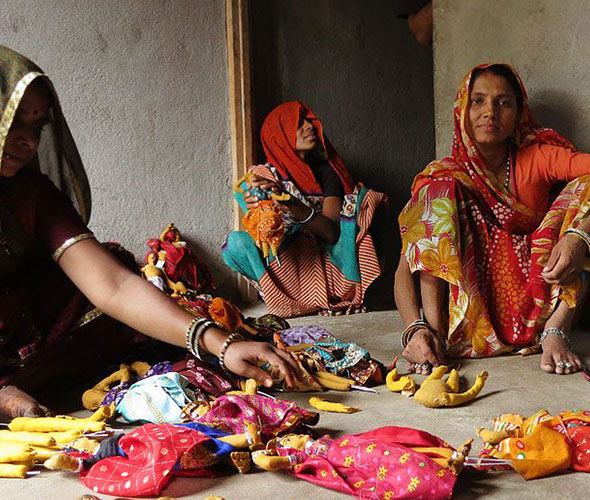
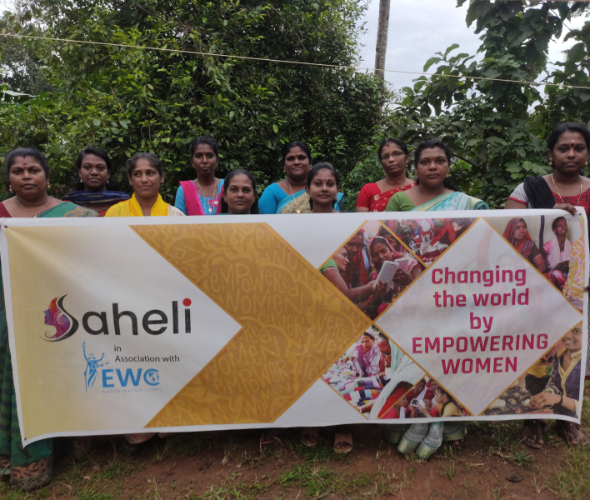
Project Saheli is more than an empowerment initiative—it is a sisterhood of strength, vision, and economic liberation. Conceived by Abhimanyu as part of his broader regenerative mission, Saheli is a transformative platform designed to equip women—especially from rural and underserved regions—with the skills, capital, and confidence to step into their own power as entrepreneurs, leaders, and community change-makers.
05Project Saheli — Empowering Women, Uplifting Nations
Project Saheli is more than an empowerment initiative—it is a sisterhood of strength, vision, and economic liberation. Conceived by Abhimanyu as part of his broader regenerative mission, Saheli is a transformative platform designed to equip women—especially from rural and underserved regions—with the skills, capital, and confidence to step into their own power as entrepreneurs, leaders, and community change-makers.
Rooted in the belief that when a woman thrives, a family flourishes and a society rises, Saheli provides women with not just a livelihood but a life of dignity, purpose, and self-reliance. This initiative is a response to the systemic inequalities that often limit women’s access to opportunity. It turns potential into practice and dreams into enterprises.
A Regenerative Model for Women's EntrepreneurshipSaheli works through the formation of women-led groups, each consisting of at least 10 members. These groups undergo specialized training in areas like:
a) Financial literacy and micro-enterprise development
b) Value-based leadership and cooperative governance
c) Market access and digital business tools
d) Sustainable production, branding, and distribution
Upon successful completion, each group receives support in securing seed capital—either through direct grants, crowd-funding, local co-operatives, or impact investors. These enterprises may include food processing units, eco-craft cooperatives, organic farming collectives, health and hygiene product lines, tailoring clusters, digital services, or local tourism ventures.
Women are also encouraged to form or join Village Business Circles (VBCs) that allow them to pool knowledge, share infrastructure, and negotiate better prices and market visibility. Saheli partners with national and global networks to help these micro-enterprises grow into scalable, community-rooted businesses.
Impact Anchored in InclusionWhile the focus of Saheli is on rural women, urban and semi-urban units are equally encouraged to participate, especially in sectors such as digital commerce, education services, wellness, and creative industries.
The program has a special emphasis on:
a) Single mothers and widows
b) Survivors of trafficking or domestic violence
c) Women with disabilities
d) Girls transitioning out of school with limited options
Each participant is not only equipped to generate income, but to gain voice in family and community decisions—shifting social norms, redefining roles, and modeling intergenerational empowerment.
A Vision that Builds NationsAbhimanyu often says, "Economic freedom is not just a policy matter—it is a soul matter." In Saheli, we see a future where no woman is denied her right to create, contribute, or dream. When 10 women begin to build together, they do not just lift their own families. They plant seeds for a different kind of economy—one rooted in cooperation, care, and courage.
Call to ActionWe invite:
Foundations and impact investors to sponsor Saheli units across developing nations.
Local governments and NGOs to integrate Saheli into their rural development plans.
Corporate social responsibility (CSR) programs to adopt Saheli villages or sectors.
Volunteers, mentors, and trainers to guide our Sahelis on their journey.
Together, let us rewrite the future—one woman, one enterprise, one village at a time.
Saheli: Where every woman becomes a builder of her life, a nurturer of her land, and a light for her community.
-
NGOs
-
Social Enterprises
-
Government Bodies
-
Rural Woman
-
Specially Abled
-
Students
06Wonderkin — Awakening Brilliance Within
Abhimanyu’s vision of transformation begins where it matters most: with children. Rooted in the belief that true empowerment starts with education, creativity, and emotional connection, Wonderkin is a global initiative designed to nurture the minds and hearts of the next generation—while bringing families and communities into the journey of learning.
06Wonderkin — Awakening Brilliance Within
Abhimanyu’s vision of transformation begins where it matters most: with children. Rooted in the belief that true empowerment starts with education, creativity, and emotional connection, Wonderkin is a global initiative designed to nurture the minds and hearts of the next generation—while bringing families and communities into the journey of learning.
More than a campaign, Wonderkin is a movement that encourages children to think, question, build, and belong. It blends playful curiosity with purpose-driven action, inviting both young minds and adults to learn side-by-side—to co-create a world filled with compassion, imagination, and innovation.

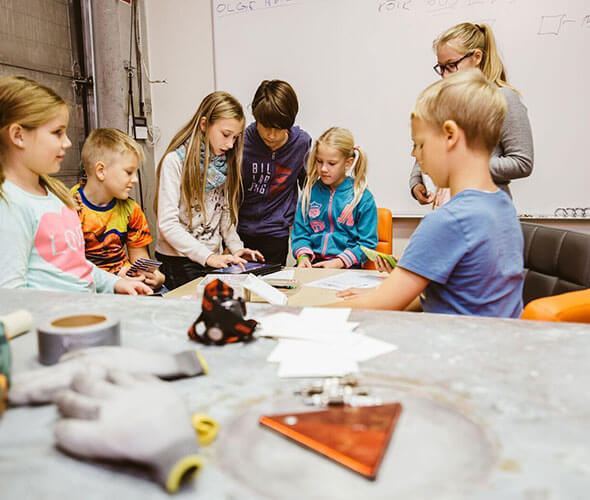
Learning That Heals, Inspires, and UnitesAbhimanyu launched Wonderkin as a joyful response to a deep challenge: the need for education that doesn't just prepare children for jobs—but prepares them for life. The program is structured around interactive workshops, creative labs, storytelling circles, and design-led problem-solving. It brings together students, parents, educators, community leaders, and artists in an inclusive learning environment where everyone teaches and everyone learns.

Through the initiative, children are encouraged to:
a) Explore their inner world and develop emotional intelligence
b) Take on community projects that cultivate leadership and responsibility
c) Learn basic entrepreneurial thinking through small, team-based ventures
d) Build crafts, tell stories, code simple tools, and express their ideas fearlessly
Wonderkin programs have reached diverse learning spaces—from schools and public libraries to rural learning camps, urban innovation hubs, and digital classrooms. From village schools in Andhra Pradesh to maker labs in Nairobi, Wonderkin has sparked a wave of joy, confidence, and a shared sense of purpose.
A Mission that Begins at Home, and Spreads Across the WorldThe true power of Wonderkin lies in its intergenerational model—parents, grandparents, and mentors are invited to participate. This ensures that the learning experience becomes deeply embedded in the family system, where knowledge turns into shared values and conversations spark between generations.
The initiative has already begun forming partnerships with civil society organizations, educational nonprofits, and community centers across India, South Africa, Brazil, and Southeast Asia. Plans are underway to expand into Europe and North America, with localized curriculum adaptations.
In Abhimanyu’s words:"The child is not only our future—they are the mirror of our present. To empower them is to heal ourselves."
A Parent’s Perspective“My child loves the program and is always asking when the next session is going to happen,” says Sajitha kumari, the mother of a nine-year-old participant. “But more than that—he started seeing the world differently. He asks questions now. He cares. He dreams bigger.”
How to Be Part of Little GeniusThis is not just a program—it’s an invitation. An invitation to:
a) Host local Wonderkin sessions in your school or community center
b) Volunteer as a mentor, artist, storyteller, or facilitator
c) Sponsor workshops, learning kits, or digital access for underserved communities
d) Co-create with us as an educator or curriculum designer
Because every child holds a genius inside them—and with the right spark, they will not just learn to thrive, but to lead.
Wonderkin is Abhimanyu’s gift to a world that still believes in wonder. A world that knows real change begins with a question, a crayon, a seed, and a story. Let’s plant them—together.
testimonials
Abhimanyu is a rare gem whose vision transcends boundaries. He speaks of change not as a distant dream, but as an inevitable reality. With each action, he brings hope, and with every word, he sparks a movement. His unwavering dedication to creating a better world resonates deeply, inspiring all of us to do more, be more, and give more. He is a true pioneer of tomorrow’s possibilities.
Leela Menon
Editor, Janmabhoomi
Abhimanyu’s vision for the merchant community has changed lives in ways we never thought possible. When our members were struggling to keep their businesses afloat, Pepkart became the lifeline they desperately needed. His dedication to bringing technology to our doorstep saved countless livelihoods and restored hope to families on the verge of losing everything. Abhimanyu is not just a leader—he’s a revolution, and we are grateful to walk this path with him.

T Nasarudheen
President, Kerala Vyapari Vyavasayi Ekopana Samithi (KVVES)
Abhimanyu doesn’t just ask the big questions—he’s the kind of person who spends his life finding the answers. His ability to stay grounded, even while tackling complex global issues, is something extraordinary. What sets him apart is his honesty, his simplicity, and the way he encourages others to be their best selves. Working with him isn’t just an opportunity, it’s an awakening to what’s truly possible when we lead with integrity.
Sara Tanaka
Japan International Cooperation Agency (JICA), Japan
I’ve had the privilege of working with many great minds, but Abhimanyu stands apart. His vision is grounded in humanity, his approach rooted in compassion. He is one of those rare individuals who sees the potential in others before they even see it in themselves. With him, it’s never about what can be done—it’s about what will be done, because his belief in a better world is unwavering and infectious.
Ela Bhatt
Social Activist
ON
Abhimanyu
Change begins with an understanding